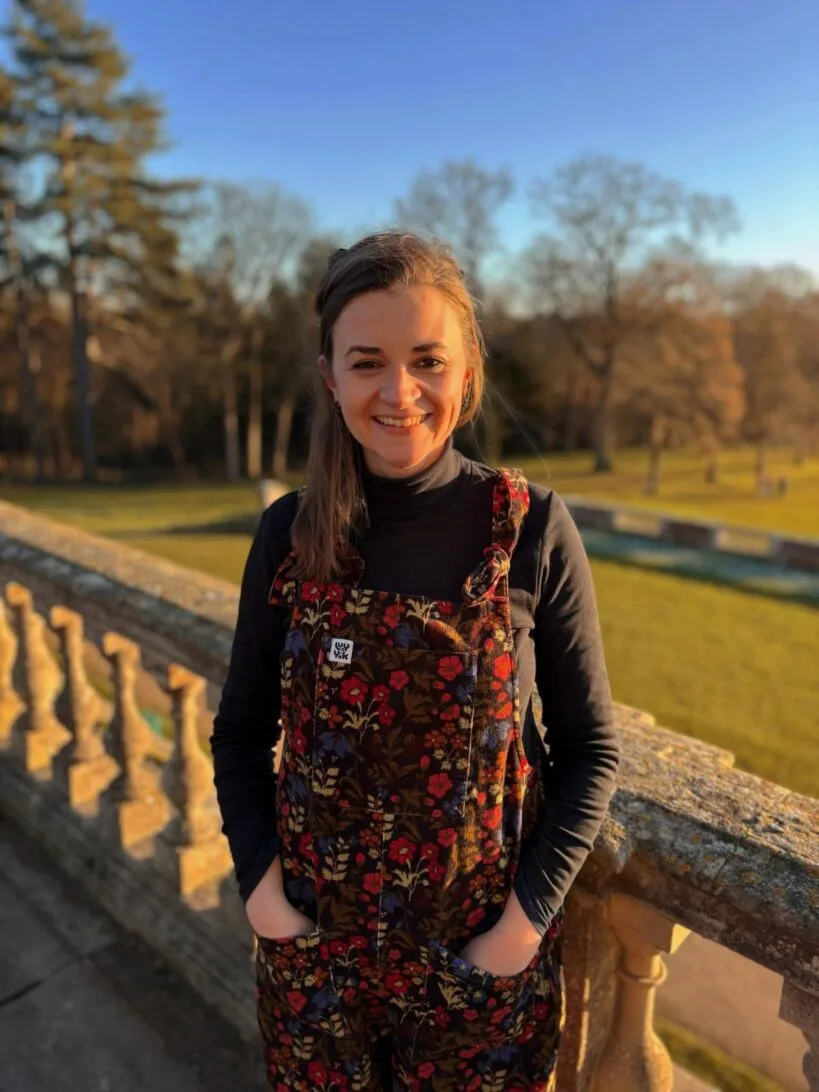
I’m Rosanna, a Clinical Psychologist of over ten years, and mum to two young boys
(Raphael and Ilias).
I had my first baby just before the first lockdown. The village I imagined would
surround me quietly disappeared. I loved my baby deeply, yet I felt disorientated and
unsure of myself. I kept wondering, 'Why does this feel so hard?'
Discovering the word matrescence changed everything. It gave language to the shifts in my emotional and psychological experience and in my identity. It helped me
understand that this wasn’t failure, it was transformation.
When I returned to work after my second maternity leave, I supported many first-time
mothers who had been referred for mental health challenges. Often, what they were describing was actually matrescence: the upheaval, the identity shift, the simultaneous loss and expansion that comes with becoming a mother.
They were thoughtful, capable women who simply hadn’t been given the language to
understand what they were moving through. I often wished I could get them all in a room together so they wouldn’t feel so alone and could meet other women going through the same life change at the same time.
Becoming Mum grew from that recognition.
My work blends evidence-based psychology with lived experience. I care deeply about helping mothers make sense of this transition, so that self-compassion can replace self-criticism.
Dr Amy Mitchell
Co-Founder – (HCPC Registration PYL36987)
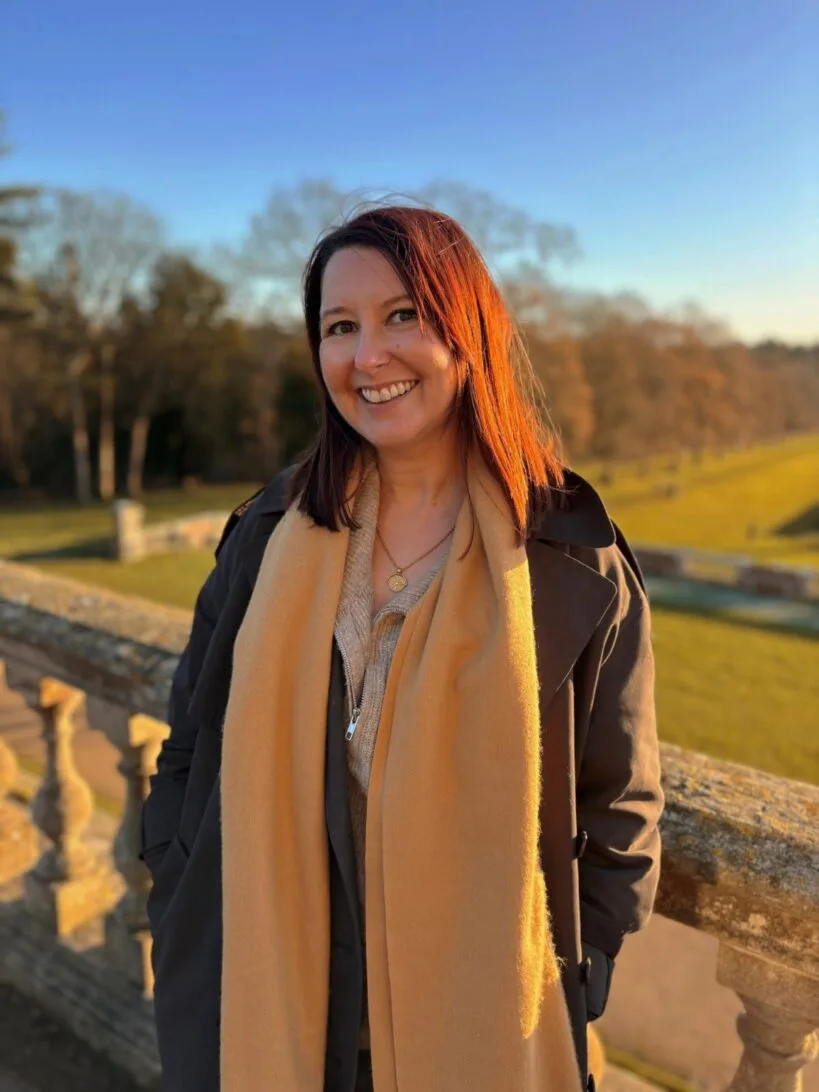
I’m Amy, a Clinical Psychologist with over 8 years of experience helping people
improve their mental health and emotional wellbeing. I am also a mother to two
young children (6-year-old boy & 3-year-old girl). Following becoming a parent
myself, I have experienced the profound life transition of pregnancy, postpartum and
early motherhood. I found motherhood harder than I expected at times, and I quickly
realised when I spoke about this with other friends with babies and children that I
was far from alone! I found myself feeling comforted by the words ‘me too’ in the
moments I really questioned myself, and identity as a new parent.
I have thankfully come to realise and understand that it is normal for motherhood to
bring joy, but alongside it also the experience of complex emotions and themes
including identity shifts, physical changes, anxiety, overwhelm, guilt, the work-
motherhood balance, and changes in relationships (to name but a few). I’ve also
learnt that this is an ongoing process of development!
But I now know this transformation has a name- Matrescence, and I wish this had
been something I was much more aware of earlier on in my motherhood journey.
This is the reason I am now very passionate about helping other mothers explore
and understand their own experiences within the context of matrescence alongside
offering an evidence based, holistic and compassionate approach and safe space. In
doing so I hope I can help mothers in building confidence in their evolving identity
and the new version of themselves that they are inevitably becoming over time.
Amy & Rosanna
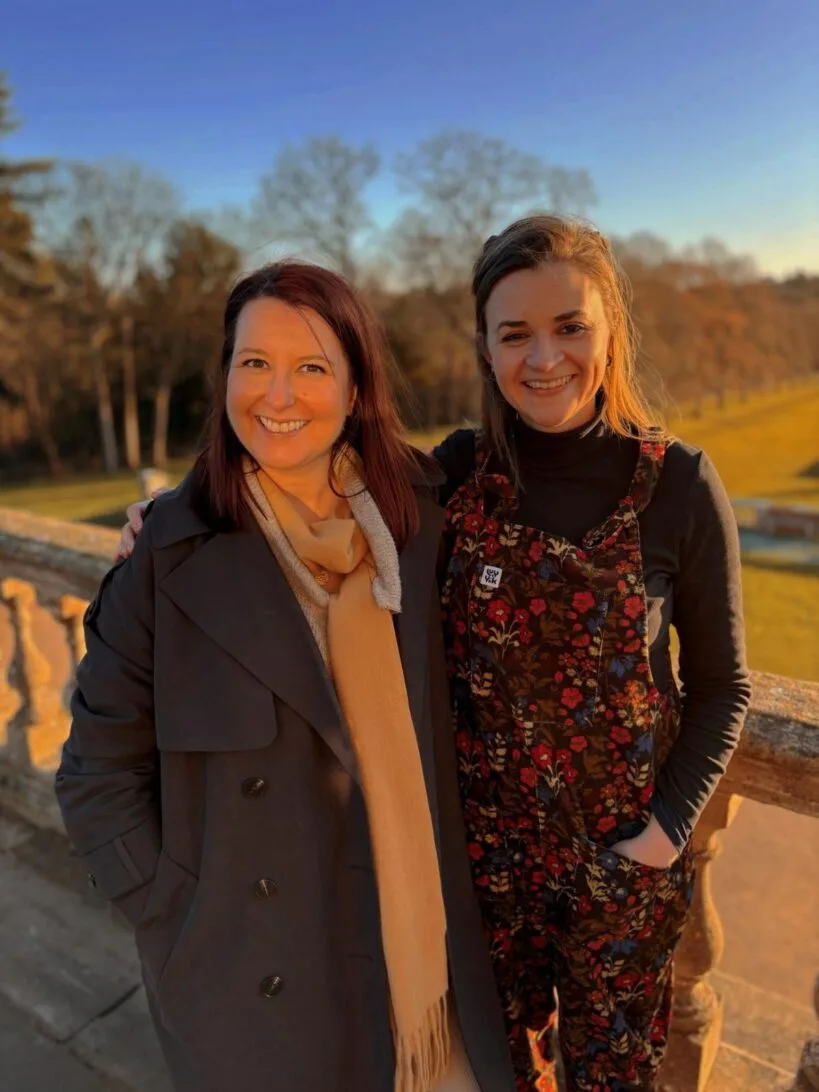
Amy and I met over twenty years ago studying Neuroscience. Since then, we’ve been alongside each other through some of the most significant times in our lives: training as Clinical Psychologists, marriages, careers, and becoming mothers in the same year (plus a lot of different hair colours!)
We’ve always had each other to speak honestly with about what motherhood really feels like - the joy and the overwhelm, the pride and the doubt. We often wished we lived closer, and that more women had access to that kind of grounded, understanding support. Becoming Mum is our way of building that village.
As scientist-practitioners, we are guided by research as well as experience. The
changes that happen in pregnancy and early motherhood are profound,
neurologically, psychologically and relationally. They are as significant as
adolescence. This is not a small adjustment. It is a developmental shift.
When women understand this, the question shifts from “What’s wrong with me?” to
“Of course this feels big.”
Our hope is simple:
To make matrescence part of the conversation.
To centre the mother, not just the baby.
To create space for honesty alongside joy.