What we offer
Matrescence support is not about fixing yourself. It is about understanding yourself during a significant developmental transition.
Our services are grounded in evidence-based psychological models, including Compassion Focused Therapy (CFT) and Acceptance and Commitment Therapy (ACT). These approaches support emotional regulation, psychological flexibility and the development of a compassionate, resilient sense of self.
We offer carefully designed, small-group and individual spaces for mothers who want thoughtful, psychologically grounded support.
You do not have to navigate this becoming alone. Becoming Mum is here to help.
Antenatally
Antenatal Social Club
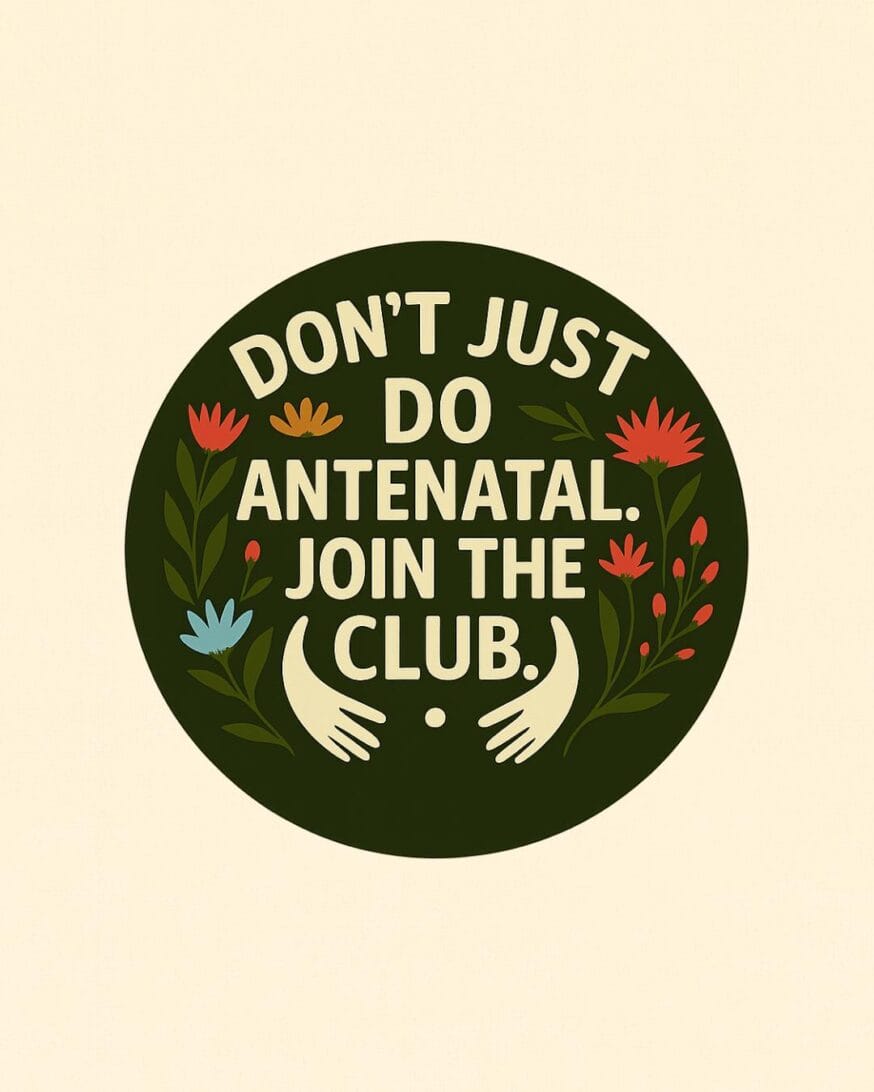
We’re excited to partner with the Antenatal Social Club, helping you prepare for life with a baby while building your local support network.
Our next groups start in February 2027 in SW London.
Find out more
Postnatally
A one-off session or 1:1 therapy
This personalised, 90-minute session offers space to pause, make sense of how you’re feeling and explore what could help. A focused opportunity to invest in your emotional wellbeing, without committing to ongoing therapy.
For mothers seeking individualised support, we offer individual therapy.
Find out more
Workplace
Supporting working parents. Building a culture where people can thrive.
Psychology-led talks and workshops for organisations, exploring the realities of working parenthood - from returning after parental leave to guilt, the mental load and burnout. Online or in person, tailored to your team.
Find out more
Is Becoming Mum right for me?
It may be right for you if:
-
You sense that motherhood has shifted something deep within you
-
You don't quite feel like yourself in a way that is hard to make sense of
-
You value thoughtful, psychologically informed support
-
You are open to reflection and growth
-
You are looking for understanding and practical, actionable support
-
You are ready to invest in your own wellbeing during this transition
Becoming Mum does not offer crisis or emergency services. If you are experiencing severe distress or require urgent support, please contact your GP, local perinatal mental health service, NHS 111, your local crisis team, or attend Accident & Emergency.
Got some questions?
You'll find answers to our most commonly asked questions.